

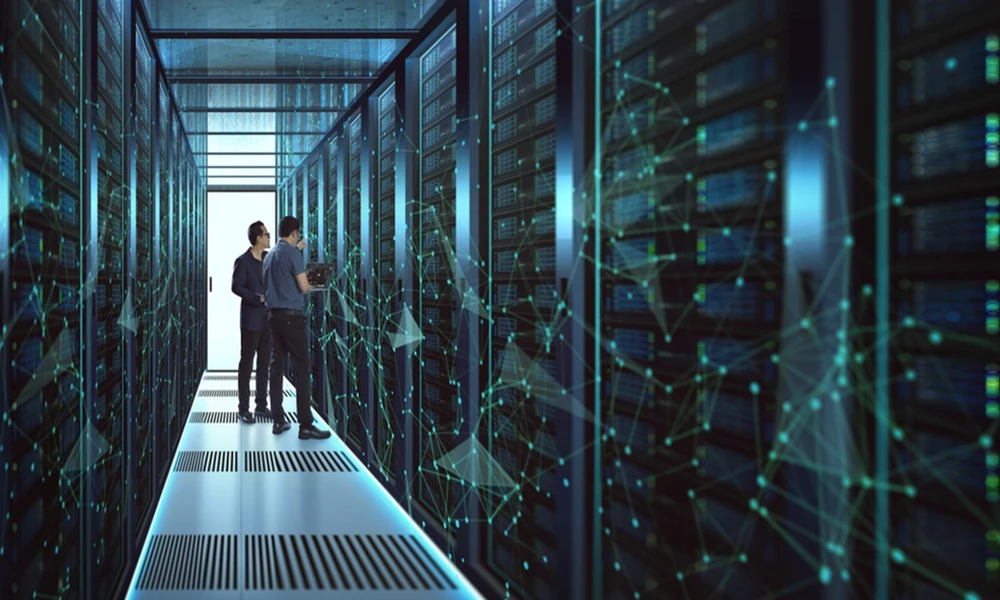
Data centers have become the infrastructure powering everything from banking to biotech, yet the standards guiding their design are constantly evolving. What felt cutting-edge five years ago now risks obsolescence, as industry benchmarks, client demands, and energy concerns push architects and engineers to reinvent the very bones of these digital fortresses.
What Defines Contemporary Standards in Data Center Design?
Modern data centers are more than just fortified warehouses for racks of servers. The bar is set by global benchmarks that prioritize uptime, security, efficiency, and future-readiness. Owners want facilities that not only meet strict technical requirements, but also adapt to fast-changing needs over decades.
Which Industry Benchmarks Are Most Influential Today?
The Uptime Institute’s Tier Classification System still dominates, defining expectations for redundancy, uptime, and reliability. Green standards like LEED and energy use metrics such as Power Usage Effectiveness (PUE) are increasingly non-negotiable, especially with governments and clients scrutinizing carbon footprints.
How Do Uptime Institute Tiers Impact Design Choices?
Choosing between Tier II, III, or IV isn’t just a checkbox; it shapes everything from how generators are configured to how wiring is routed. A Tier III facility, for example, must ensure that any single component failure does not interrupt critical operations, demanding double-path distribution and extra built-in redundancy.
What Role Do Sustainability and Energy Efficiency Play?
As environmental regulations and utility costs rise, sustainability drives crucial decisions. High-efficiency cooling, renewable energy integration, and adaptive lighting aren’t mere add-ons, they are strategic investments that directly impact operational budgets and brand reputation.
How Are Modularity and Scalability Revolutionizing Data Centers?
The only constant in technology is change, and data centers must keep up. Enter modularity and scalability, the guiding principles for contemporary design.
Why Is Modular Design Essential for Future-Proofing?
Modular systems allow facilities to expand in phases, aligning capital outlay with real demand. This approach means less risk, less wasted space, and the ability to adopt new tech with minimal disruption.
How Does Scalability Address Growing Data Demands?
Data requirements can spike unpredictably. Scalable frameworks let operators add capacity, servers, cooling, or power, quickly, preventing the need for costly, disruptive overhauls.
What Are the Challenges in Implementing Modular Systems?
While flexible, modularity introduces complexity. Components must interconnect seamlessly, and future-compatibility demands meticulous planning. The result? Higher upfront design costs, but long-term agility.
In What Ways Are Power and Backup Systems Evolving?
Downtime is unacceptable in an always-on world, making power systems a core focus of next-gen data centers.
How Does a 48-Hour Generator Autonomy Enhance Reliability?
In metro Montreal, a 10 MW data center was recently built to deliver 48 hours of generator-supported autonomy without recharging. This buffer means operations can continue smoothly even during widespread outages, a feature now seen as critical for mission-critical industries.
What Innovations Are Emerging in Power Distribution?
Intelligent power distribution units (PDUs) and microgrid capabilities are gaining ground. These allow facilities to optimize electricity flow, manage multiple energy sources, and quickly respond to faults, all with granular control.
How Do These Systems Balance Cost and Performance?
Uptime and resilience come at a price, measured in both financial and environmental terms. The best designs use modular power blocks and staged redundancy, ensuring performance targets are met without unnecessary overinvestment.
How Do Cleanroom Standards Integrate with Data Center Functionality?
With some data centers doubling as high-tech manufacturing or research hubs, cleanrooms are more common than ever.
What Is the Importance of Cleanrooms in Data Centers?
Cleanrooms protect sensitive equipment and processes from contaminants, ensuring reliability for industries like chip manufacturing or life sciences.
How Are Cleanroom Requirements Shaping Facility Layouts?
Incorporating a 35,000 sq.ft. cleanroom, as seen in recent Montreal projects, means designers must plan separate air handling, strict entry protocols, and zoning to isolate clean areas without sacrificing workflow.
What Technologies Support Cleanroom Maintenance?
High-efficiency particulate air (HEPA) filtration, automated environmental monitors, and modular wall systems all work together to maintain strict particulate thresholds.
How Does Long-Term Planning Influence Data Center Architecture?
Designing for a 20-year lifespan is non-trivial. Clients need to balance today’s needs with tomorrow’s unknowns.
What Strategies Ensure 20-Year Operational Viability?
Modular expansion zones, flexible floor spacing, and easily upgradable utility cores allow buildings to evolve. Choosing durable, low-maintenance materials is just as crucial.
How Do Architects Balance Flexibility with Structural Integrity?
It’s a dance between adaptability and robustness. Overbuilding wastes resources, but underbuilding means early obsolescence. Engaging specialists like the data center architecture firm Stendel + Reich demonstrates how experience bridges this gap; their recent Quebec project was designed around modularity and resilience for exactly these reasons.
What Lessons Are Learned from Past Data Center Projects?
Retrofitting old data centers often proves expensive and inefficient. Early investment in flexible design usually pays dividends as technology progresses.
How Are Emerging Technologies Impacting Data Center Design?
If anything defines contemporary standards, it’s relentless innovation.
What Role Does Automation Play in Modern Facilities?
Automated controls manage power, cooling, and security, reducing error and operational costs.
How Are AI and Monitoring Tools Enhancing Functionality?
AI-driven analytics predict maintenance needs and optimize resource use, while real-time monitoring ensures rapid response to anomalies.
What Future Trends Should Designers Anticipate?
Look for direct liquid cooling, edge computing integrations, and tighter convergences between physical and cybersecurity.
What Are the Economic and Environmental Implications of Contemporary Designs?
Complexity and ambition don’t come cheap, or carbon-neutral.
How Do Construction Costs Reflect Design Complexity?
A recent Montreal metropolitan data center had an $80 million price tag for 109,000 sq.ft., a figure that underscores the cost of robust Uptime Tier compliance, modular design, and cleanroom integration.
What Sustainable Practices Reduce Environmental Impact?
From heat recovery systems to solar-ready roofs and high-efficiency cooling, every design choice is scrutinized for long-term environmental payoff.
How Are Clients Balancing Budget and Performance Needs?
There’s a growing willingness to invest upfront in flexibility and efficiency, knowing these features reduce operating costs and environmental liabilities over time.
How Is the Montreal Metropolitan Area Setting an Example in Data Center Innovation?
Montreal is showing how regional strengths can shape global standards.
What Unique Regional Factors Influence Design?
Cold climate reduces cooling costs, while Quebec’s abundant, clean hydroelectric power attracts sustainable-minded clients.
How Does Local Architecture Blend with Functional Requirements?
Blending robust industrial features with regional design sensibilities results in sites that are both functional and contextually appropriate.
What Can Other Regions Learn from These Projects?
Montreal’s approach, combining modularity, energy foresight, and resilient design, offers a blueprint for future-ready data centers worldwide.
