

Heating and cooling systems play an essential role in maintaining a comfortable indoor environment throughout the year. However, without regular maintenance, even a well-installed system can consume more energy than necessary. Dirty filters, restricted airflow and worn components can reduce performance and increase utility bills. Scheduling routine professional maintenance helps identify developing problems, improve system operation and support consistent indoor comfort. For homeowners in Grand Blanc, Michigan, regular HVAC care is particularly valuable as seasonal temperatures place changing demands on heating and cooling equipment.
How Regular HVAC Maintenance Improves Energy Efficiency
An HVAC system relies on several components working together to heat or cool a property effectively. When one component becomes dirty, damaged or poorly adjusted, the entire system may have to work harder to maintain the desired temperature.
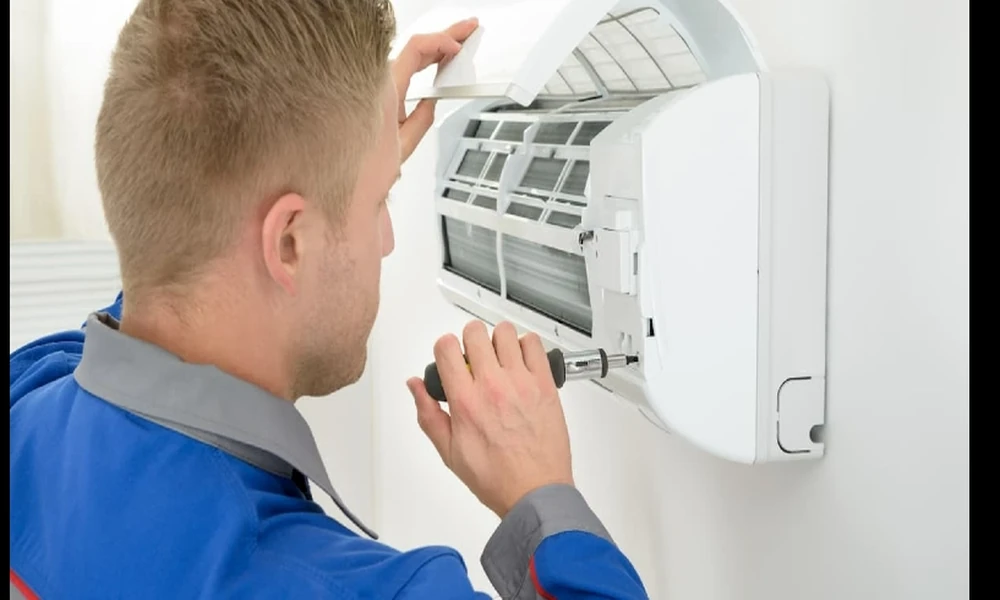
Professional HVAC services in Grand Blanc, MI can help identify these issues before they significantly affect performance. During a maintenance visit, a technician may inspect electrical connections, check system controls, examine airflow and assess the condition of key components.
Here are several ways routine maintenance can improve efficiency.
1. Keeping Air Filters Clean
Air filters collect dust and airborne particles, but accumulated debris can restrict airflow. This may force the system to operate for longer periods to maintain comfortable temperatures.
Checking filters regularly and replacing or cleaning them according to the manufacturer’s instructions helps maintain proper airflow. The required frequency depends on the filter type, household conditions and system usage.
2. Improving Airflow and Heat Transfer
Blocked vents, dirty coils and problems with ductwork can interfere with the movement of conditioned air. During HVAC services in Grand Blanc, MI, a qualified technician can assess these areas and recommend suitable cleaning, repairs or adjustments.
Improved airflow allows the system to distribute heating or cooling more consistently, reducing unnecessary strain on the equipment.
3. Identifying Small Problems Early
Loose electrical connections, malfunctioning thermostats and worn components can affect how efficiently an HVAC system operates. Routine inspections help uncover these issues before they develop into more serious faults.
Early intervention can also reduce the likelihood of unexpected breakdowns during periods of heavy use.
Why Seasonal HVAC Maintenance Matters in Michigan
Grand Blanc experiences cold winters and warm summers, meaning residential HVAC equipment may need to handle substantial seasonal changes. Preparing the system before periods of peak demand can help it operate more reliably.
Prepare Heating Equipment Before Winter
Before temperatures fall, arrange an inspection of your heating system. A technician can check the furnace or heat pump, inspect relevant safety controls and identify problems that could affect heating performance.
Homeowners should also keep return-air grilles unobstructed and check for draughts around windows and doors. Reducing unwanted heat loss helps the heating system maintain indoor comfort without unnecessary energy use.
Check Cooling Equipment Before Summer
Air conditioning systems benefit from attention before warmer weather arrives. Depending on the equipment, maintenance may include inspecting coils, checking refrigerant performance and examining electrical components.
Outdoor units should also have sufficient clearance for airflow. Remove leaves and other debris from the surrounding area without damaging the equipment.
Practical Ways to Reduce HVAC Energy Waste
Professional maintenance works best alongside sensible household habits. Homeowners can take several steps to support efficient operation between service appointments.
- Use appropriate thermostat settings: Choose comfortable temperatures and avoid unnecessary adjustments that increase heating or cooling demand.
- Consider a programmable thermostat: Set schedules around occupancy and daily routines to avoid conditioning an empty home unnecessarily.
- Seal unwanted draughts: Weatherstripping and suitable insulation can reduce heat loss in winter and heat gain in summer.
- Keep vents clear: Furniture and curtains should not block supply or return-air grilles.
- Monitor energy bills: Investigate unexplained increases, particularly when household usage and weather conditions have remained similar.
- Follow maintenance recommendations: Use the manufacturer’s guidance for filter changes, servicing and equipment care.
These measures can improve overall performance, although actual savings depend on the property’s condition, the equipment installed and household energy habits.
How Often Should HVAC Systems Be Serviced?
Many homeowners benefit from arranging professional maintenance twice a year: once before the heating season and once before the cooling season. The appropriate schedule depends on the system type, age, usage and manufacturer’s recommendations.
When choosing a service provider, look for qualified technicians who can explain their findings, identify necessary repairs and provide clear estimates before carrying out additional work. Regular servicing should address the equipment’s specific requirements rather than rely on a generic checklist alone.
Frequently Asked Questions
Can regular HVAC maintenance lower energy bills?
Maintenance can help reduce avoidable energy waste by addressing restricted airflow, dirty components and equipment faults. However, the amount saved varies according to the system’s condition and how the property is used.
Is HVAC maintenance necessary if the system works properly?
Yes. A system can appear to operate normally while developing problems that gradually reduce efficiency. Routine inspections can identify these issues before noticeable performance changes occur.
What are the signs that an HVAC system needs servicing?
Warning signs include unusual noises, uneven temperatures, weak airflow, frequent cycling and unexplained increases in energy bills. A professional inspection can help determine the cause.
Conclusion
Regular HVAC maintenance helps support efficient operation, consistent comfort and dependable performance throughout the year. By keeping filters clean, maintaining proper airflow and identifying faults early, homeowners can reduce avoidable energy waste and help protect their heating and cooling equipment. Scheduling seasonal inspections and following practical energy-saving habits can make a meaningful difference to household comfort and running costs over time.
