

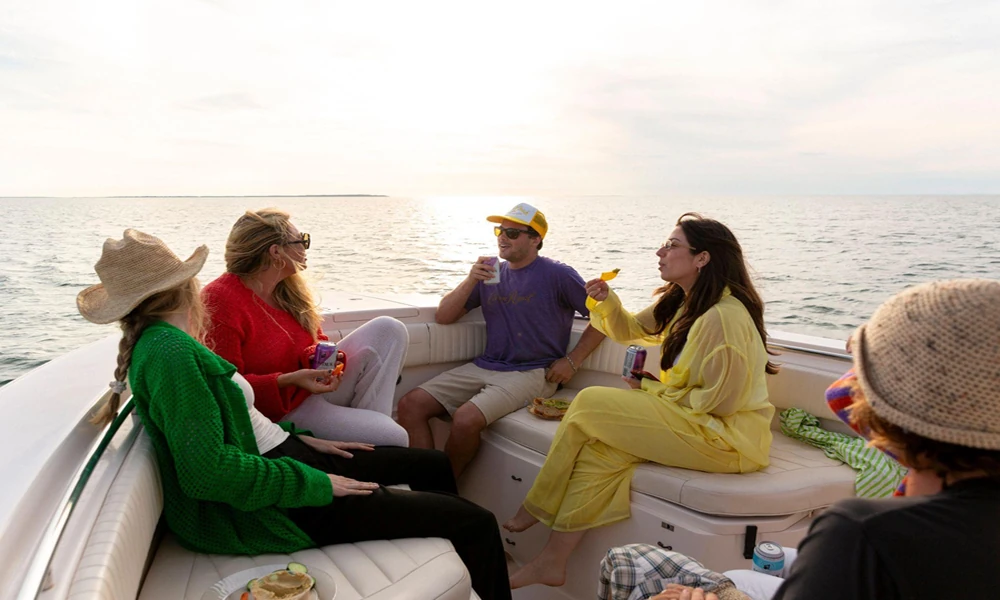
Planning a group outing sounds simple until everyone starts sharing different opinions. Some people want an adventurous experience, others prefer a relaxing afternoon, and a few may be concerned about the budget or travel time.
Fortunately, Long Island offers a variety of settings for getting friends, family members, or coworkers together. From waterfront activities to outdoor gatherings and local attractions, there are ways to create an enjoyable experience without building an exhausting itinerary.
The key is choosing an activity that suits the group, setting clear expectations, and leaving enough flexibility for everyone to enjoy themselves.
Start With the Group’s Interests and Expectations
Before choosing a destination, consider what kind of experience your group wants.
A birthday gathering may call for music, socializing, and an upbeat atmosphere. A casual reunion might work better with a relaxed meal and space for conversation. A workplace outing may require an activity that encourages interaction without making anyone uncomfortable.
Instead of asking everyone to suggest destinations, narrow the choices to a few activity types.
Consider these questions:
- Does the group prefer outdoor activities or indoor entertainment?
- Is the outing intended to be relaxing, energetic, or a combination of both?
- How much time can everyone realistically commit?
- Are there mobility, accessibility, or dietary needs to consider?
- What is a comfortable spending range for each person?
Gathering this information early prevents disagreements later.
It also helps to assign one person to coordinate reservations and communicate important details. Group planning becomes much easier when decisions have a clear point of contact.
Consider an Experience on the Water
Long Island’s waterfront provides an appealing setting for group activities, particularly when the goal is to spend time together away from familiar restaurants or indoor venues.
A boat excursion can combine sightseeing, conversation, fresh air, and a shared experience without requiring participants to organize several separate activities.
For groups considering boat rides in Long Island, exploring the available cruise formats around Port Jefferson can help clarify whether a shared excursion or private group experience better suits the occasion.
Not every boat outing offers the same atmosphere. Some experiences emphasize sightseeing and quiet relaxation, while others are designed around music, celebrations, and social interaction.
Before selecting an excursion, review the departure location, trip duration, passenger capacity, and onboard facilities.
It is also worth checking whether refreshments are included, available for purchase, or prohibited from being brought aboard.
For mixed-age groups or family gatherings, confirm any age-related restrictions before making reservations.
Choosing the right atmosphere matters more than simply selecting the first available departure.
Choose Activities That Encourage Natural Interaction
The most enjoyable group activities often create opportunities for people to connect without requiring constant structured entertainment.
Consider experiences that allow participants to move between conversation, observation, and shared activities.
A waterfront picnic, for example, gives guests time to socialize while enjoying the surroundings. A walking tour introduces something to discuss and explore together. A casual outdoor gathering can also accommodate different interests without placing too much pressure on individual participants.
When planning an activity, think about how people will interact.
Will guests be able to talk comfortably? Can participants take breaks if needed? Does the setting offer enough variety to keep people interested?
These considerations are particularly important when the group includes people who do not know one another well.
An effective outing should make socializing easier rather than forcing everyone to participate in the same activity at every moment.
Build a Realistic Budget Before Making Reservations
Cost differences can create unnecessary stress, especially when participants have different spending preferences.
Establishing a budget early helps everyone understand what to expect.
Start by identifying the main expense, such as admission, a reservation fee, or a group activity. Then account for additional costs that might otherwise be overlooked.
These may include:
- Transportation and parking
- Food and beverages
- Taxes, service charges, and gratuities
- Optional activities or upgrades
- Cancellation or rescheduling fees
For activities with group pricing, ask whether the total cost changes depending on attendance.
A private experience may make financial sense when enough people contribute, but smaller groups may prefer individual admission or shared public activities.
Communicate expected expenses before collecting commitments. This allows guests to decide comfortably and reduces the likelihood of last-minute cancellations.
Prepare for Weather and Seasonal Changes
Outdoor plans require more flexibility than indoor gatherings.
Long Island’s coastal environment makes weather an important consideration, especially for activities near or on the water.
Check the forecast before departure, but remember that conditions may change. Wind, rain, and temperature can affect comfort even when an outing is scheduled during warmer months.
For waterfront excursions, follow the operator’s instructions regarding weather-related cancellations, rescheduling, and appropriate clothing.
A lightweight jacket, comfortable footwear, and sun protection may be useful depending on the activity.
It is equally important to understand the cancellation policy before booking.
If the outing depends heavily on favorable weather, establish an alternative date or backup activity rather than making last-minute decisions under pressure.
Keep the Schedule Simple and Communicate Clearly
An overfilled itinerary can make a group outing feel rushed.
Instead of planning several destinations, choose one main activity and leave room for an optional meal, walk, or gathering afterward.
Share a simple schedule that includes the meeting location, arrival time, activity duration, and expected finish time.
For reserved experiences, distinguish between arrival, check-in, boarding, and departure times. These may not be the same.
Encourage participants to arrange transportation in advance, particularly when the outing includes alcoholic beverages.
Avoid changing important details through multiple scattered messages. A single group update containing the confirmed plan is usually easier for everyone to follow.
Finally, leave some unscheduled time. Unexpected conversations and spontaneous moments often become the most enjoyable parts of the day.
Conclusion
A memorable group outing does not require an elaborate schedule or an expensive destination.
What matters most is choosing an experience that reflects the group’s interests, managing expectations, and handling practical details before the event.
Whether the plan involves a waterfront excursion, an outdoor gathering, or a local attraction, thoughtful preparation can make the experience more enjoyable for everyone.
Focus on one worthwhile activity, communicate clearly, and allow the group enough freedom to enjoy the time together.
