

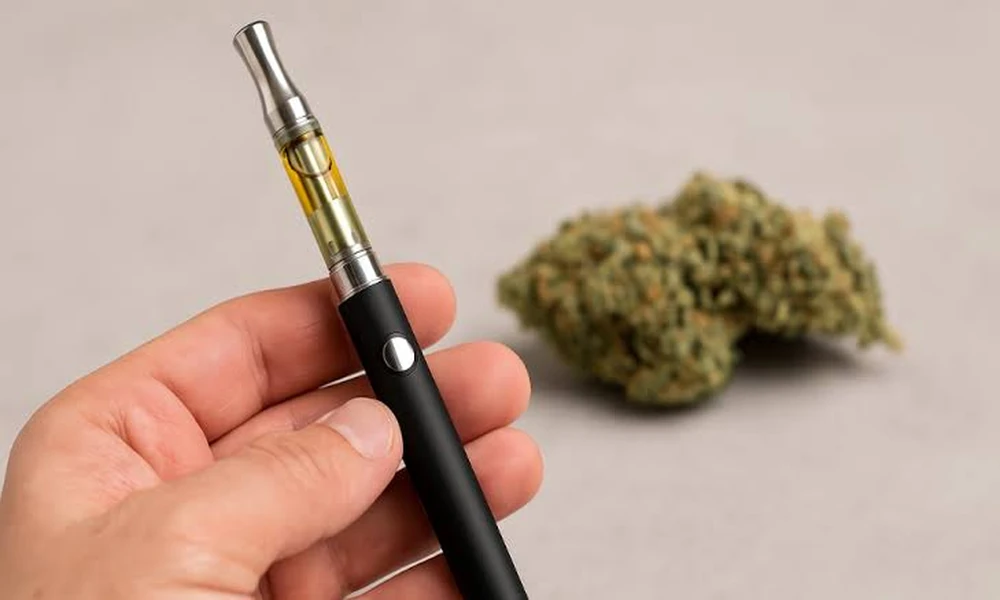
Vapour density relates to extract purity because cleaner oil converts more completely into aerosol, producing fuller and more consistent clouds with every draw. Thick, steady vapour generally signals a high concentration of vaporizable compounds transitioning smoothly at operating temperature. Shoppers evaluating the best thca vapes often use density as an informal quality check, and the instinct holds up reasonably well once the underlying mechanics become clear. Purity influences density through several connected pathways, from how completely oil vaporises to how uniformly the extract flows through the wick during each session. Learning to read these signals turns every draw into a small quality assessment.
Purity and vaporization efficiency
Clean extract transitions into vapour almost completely at the proper temperature, leaving minimal residue behind on the coil after each session ends. Oil carrying extra plant waxes or residual lipids behaves differently, since those compounds vaporise at scattered temperatures and reduce how much of each draw becomes usable aerosol. Well refined material sidesteps this entirely, converting smoothly and keeping every puff full. Highly purified oil also maintains uniform composition throughout the cartridge, meaning the final draws deliver clouds matching the first ones. Less refined material can shift over a cartridge’s lifespan as lighter compounds vaporise early, gradually changing both density and flavour in ways that attentive users notice, which makes consistent output one of the clearest signs of thorough refinement.
Density reading signals
Observing vapour character across a few sessions reveals purity patterns without any equipment beyond attention.
- Consistent thickness Clouds holding steady volume from draw to draw suggest uniform oil composition throughout the entire chamber. Variation between puffs at the same setting often points toward separation inside the cartridge or uneven refinement during production. Steady output remains one of the simplest quality markers available to any user.
- Clean dissipation Quality vapour spreads and fades evenly after exhale rather than hanging in heavy streaks that signal unvaporized particulates. Watching how a cloud behaves in still air takes seconds yet reveals composition details that packaging never mentions. Pure extract leaves the air clear again quickly.
Lab verification value
Third-party lab results give density observations their real meaning, confirming whether thick vapour truly reflects concentrated extract. Documentation showing cannabinoid percentages alongside full ingredient screening reveals exactly which compounds make up the oil, something no visual check can accomplish alone. Formulation choices influence cloud volume independently of concentration levels, which is why testing serves as a reliable companion to density observation rather than a replacement for it. Products backed by transparent testing let users trust what their eyes suggest, pairing thick, satisfying vapour with documented proof of what produced it.
Temperature interaction effects
Density shifts with heat settings even when purity stays constant, so a fair comparison requires similar operating conditions. Higher wattage produces thicker clouds from any oil, which can blur quality differences that lower settings reveal more clearly. Moderate temperature actually serves as a better purity showcase, since clean extract still produces a full, satisfying vapour at gentle heat, letting the refinement quality speak for itself. Users comparing products benefit from testing at matched settings before drawing any conclusions about what sits inside each cartridge.
Vapour density offers a genuine window into extract quality when read carefully alongside lab documentation and consistent testing conditions. Thick clouds mean the most when clean composition, steady performance and verified testing all stand behind them together.
